


Fighting to Come Home: A Memoir of Becoming
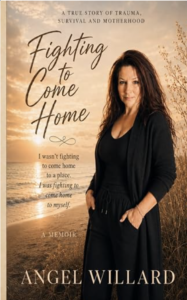
Some books about recovery focus on a single moment — the rock bottom, the intervention, the first day sober. Fighting to Come Home, a memoir by Angel Willard, takes a wider view. It’s the story of a whole life: childhood trauma, devastating loss, a catastrophic accident, chronic pain, incarceration, and the long, unglamorous work of rebuilding — as a person, and as a mother. What sets this memoir apart isn’t just what happened to Angel Willard. It’s what she chose to do with it afterward.
Fighting to Come Home is a Memoir worth reading if you’re on the Road to Recovery (buy the book here).
More Than a Survival Story
It would be easy for a book like this to stop at survival. Instead, Willard uses her story to sit with the harder questions that come after the crisis is over: What do you owe the people you hurt along the way? How do you forgive yourself? What does it actually take to become someone your children can look up to?
She writes about all of it — the regret, the faith, the slow and often uncomfortable work of accountability — without flinching and without asking for a tidy resolution. For anyone in recovery, that honesty is the point. Real healing rarely looks like a straight line, and this book doesn’t pretend otherwise.
The Line That Says It All
Willard sums up the heart of her memoir in a single sentence:
“I wasn’t fighting to come home to a place. I was fighting to come home to myself.”
That’s the real subject of this book. Not an address, not a relationship, not even sobriety alone — but the slow, hard-won process of returning to yourself after years of being pulled apart by trauma and its aftermath.
What Readers Are Saying
Word about Fighting to Come Home is spreading largely through people who know Willard personally. One close friend shared that she picked up the book in the late afternoon and couldn’t put it down, finishing the whole thing in a single sitting that same evening — moved by how much her friend had lived through and how far she’d come.
That kind of reaction is a good sign for anyone wondering whether to pick it up. This isn’t a distant, clinical account of recovery — it’s a memoir written by someone who lived every page of it, in a voice honest enough that the people closest to her are the ones telling others to read it.
Why It Belongs on Your Recovery Reading List
If you’re in recovery — or supporting someone who is — Fighting to Come Home is a reminder worth holding onto: your worst chapter doesn’t have to be the ending of your story. Willard’s journey through motherhood, accountability, and healing doesn’t offer easy answers, but it offers something more useful — proof that coming home to yourself is possible, even after everything.
Fighting to Come Home: A Memoir of Becoming by Angel Willard is available now on Amazon – view it here.
About the Author:
“After years of surviving, rebuilding, and learning to come home to myself, my memoir Fighting to Come Home is here. This is a true story of trauma, survival, motherhood, accountability, and hope. I wasn’t fighting to come home to a place. I was fighting to come home to myself.” — Angel Willard
Angel Willard is a 36-year-old Canadian author from a small town in British Columbia. Her writing is grounded in personal lived experience and explores life after trauma—after a serious accident, after personal injury litigation, and after the legal file is closed.
In 2016, she survived a high-speed motor vehicle accident that resulted in catastrophic injuries, years of surgeries, chronic pain, and permanent physical impairment. Alongside her medical recovery, she navigated a prolonged personal injury lawsuit that revealed how insurance companies and legal systems reduce human suffering to liability, percentages, and paperwork.
Angel writes books drawn from her own life experiences, blending memoir and reflection to expose the realities injured people face when dealing with insurance claims, legal processes, and long-term recovery. She does not offer legal advice; instead, her work documents mistakes, consequences, and the lived reality of surviving trauma.
Her book, The Litigation Landmine: A Guide to Ruining Your Own Case, is a personal injury memoir written for accident survivors, trauma survivors, and those living as “forever patients.”
She continues to write future works rooted in lived experience, focusing on survival, recovery, chronic pain, and the long-term impact of injury beyond settlements and closed cases.